What is Bookkeeping? 2025 Business Owner’s Guide
Overhauling all at once can be overwhelming and discouraging, so it’s best to take it slow and make meaningful and intentional shifts. With this mind, you may want to consider With this in mind, you may want to consider QuickBooks Live Expert Full-Service Bookkeeping. This service offers an affordable and flexible solution, providing you with access to a dedicated team of bookkeepers without the overhead costs of hiring in-house staff. Hiring a professional bookkeeper, especially an in-house employee, can be expensive. Along with salary, there are other costs to consider, like employee health benefits, training, and any necessary software or tools. By staying up to date with your bookkeeping throughout the year, you can help alleviate some of the stress that comes with filing your taxes.
Difference Between Bookkeeping and Accounting (PDF)
- While bookkeeping is fundamental for record-keeping, accounting offers the strategic insights needed for growth and sustainability.
- These certifications show professional commitment and may improve job prospects.
- Xero is a great option if you deal with any international transactions or have multiple currencies.
- Accountants look at all of a business’s financial transactions to check accuracy and explain what the numbers mean.
- One example is the gross profit margin which is based on sales divided by gross profit and the result turned into a percentage.
Bookkeeping software is designed to record daily transactions, while accounting software offers more bookkeeping definition in accounting analysis and management features. Understanding both helps businesses choose reliable options for financial tracking and planning. Whether it’s updating your books or keeping in contact with your tax adviser, maintain your business’s financial records and expenses throughout the year. That way, you can be well prepared when it’s time to file taxes with the IRS. Without any hiccups or last-minute scrambles, you’ll be able to enter tax season confidently. A well-run bookkeeping function is an essential requirement for organizations, because it quantifies the results of their operations.
Role of an Accountant

Separate account records are maintained for petty cash, accounts payable, and accounts receivable, among other relevant transactions. While the two roles are distinct, there is an overlap in responsibilities. Bookkeepers often handle some contribution margin accounting tasks like payroll management and generating basic financial reports.

Build bookkeeping skills on Coursera Plus

Bookkeeping, the recording of the monetary values of the transactions of a business. Bookkeeping provides the information from which accounts are prepared but is a distinct process, preliminary to accounting. The entire process of analyzing https://malus.lv/wordpress/sign-up-for-quickbooks-online-accountant/ an event and recording the transaction in the accounting system is a good example of bookkeeping. Many times accounting and bookkeeping are used interchangeably, but this is incorrect. Accounting has a much more broad definition than simply recording transactions in an accounting system. For example, QuickBooks (from Intuit) is a low-cost bookkeeping and accounting software package that is widely used by small businesses in the U.S.
Reliable financial reporting
Today’s bookkeeper must be comfortable with accounting software such as QuickBooks and electronic worksheets. Being proficient with accounting software allows a bookkeeper to stand out from the others. For thorough financial management, both positions are essential, with bookkeeping offering the precise framework on which accounting insights are based. Examples of general ledgers are recording assets accounts, liabilities accounts, sales ledgers, and revenue/expenses accounts.
What is Financial Management? Scope and Types Explained
- Each financial transaction is allocated a unique reference that can be traced easily through the bookkeeping system.
- A balance sheet lists all the assets and liabilities a business owns at a certain date.
- Bookkeepers are not expected to have a four-year or five-year college degree in accounting.
- Their work includes budgeting, making tax calculations, and giving advice based on the company’s finances.
- A balance sheet is a testimony of the total assets and liabilities of the company.
- A bookkeeping cycle is usually based from the 1st day of the month to the last day of the month, and repeats every month.
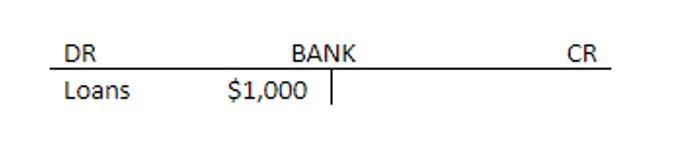
Bookkeepers keep records of every financial transaction, including payments, purchases, and income. They use bookkeeping software or spreadsheets to ensure every dollar is accounted for. The double-entry system of bookkeeping is common in accounting software programs like QuickBooks. With this method, bookkeepers record transactions under expense or income. Then they create a second entry to classify the transaction on the appropriate account.
Bookkeepers mainly handle the day-to-day recording of transactions in small or medium businesses. Their jobs focus on tasks like entering invoices, posting payments, and keeping track of account balances. They are the two fundamental aspects of financial management, but they serve different purposes and involve different tasks. Bookkeeping is the process of systematically maintaining records or books of accounts of an organization. However, Accounting is the process of measuring and recording all financial transactions of a financial year. Bookkeeping is the process of recording, classifying, and organizing financial transactions in a systematic way.


This goes on for 12 months until the end of the financial year when all the data is sent to a chartered accountant. Bookkeeping is the practice of methodically documenting, arranging, and monitoring a company’s financial operations. The fundamental data required for financial reporting and analysis is provided by bookkeeping, which is an essential component of accounting. Double-entry bookkeeping is the practice of recording transactions in at least two accounts, as a debit or credit. When following this method of bookkeeping, the amounts of debits recorded must match the amounts of credits recorded. This more advanced process is ideal for enterprises with accrued expenses.